What Is a Walking Pad? A UK Guide for Small Homes
What a walking pad is, how it differs from a treadmill, who it suits, and what to check before buying one for a UK flat or small home.
Walking pads are the one piece of cardio kit that genuinely fits a British flat, which is why they have gone from novelty to normal in about three years. They are also widely misunderstood, mostly because people compare them to treadmills and conclude they are worse at being a treadmill. They are not trying to be one.
What is a walking pad, exactly?
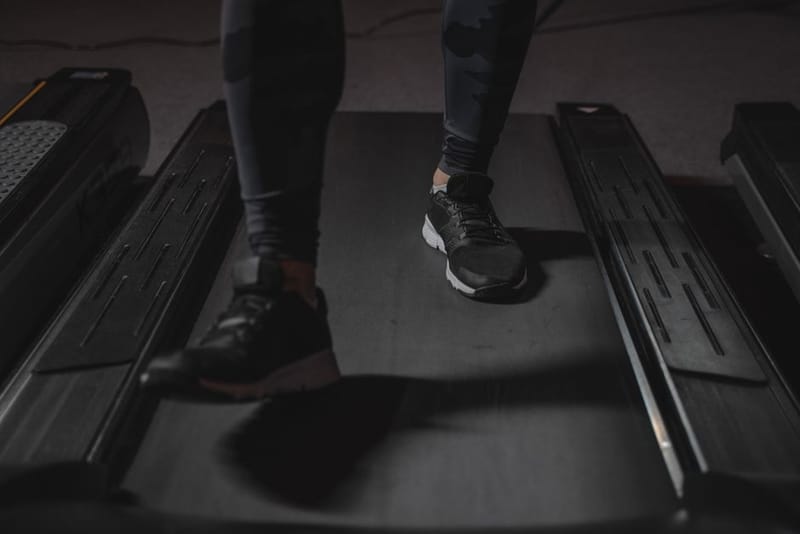
A walking pad is a motorised treadmill stripped back to the part most people actually use. There is a belt, a motor, and a deck, and almost nothing else.
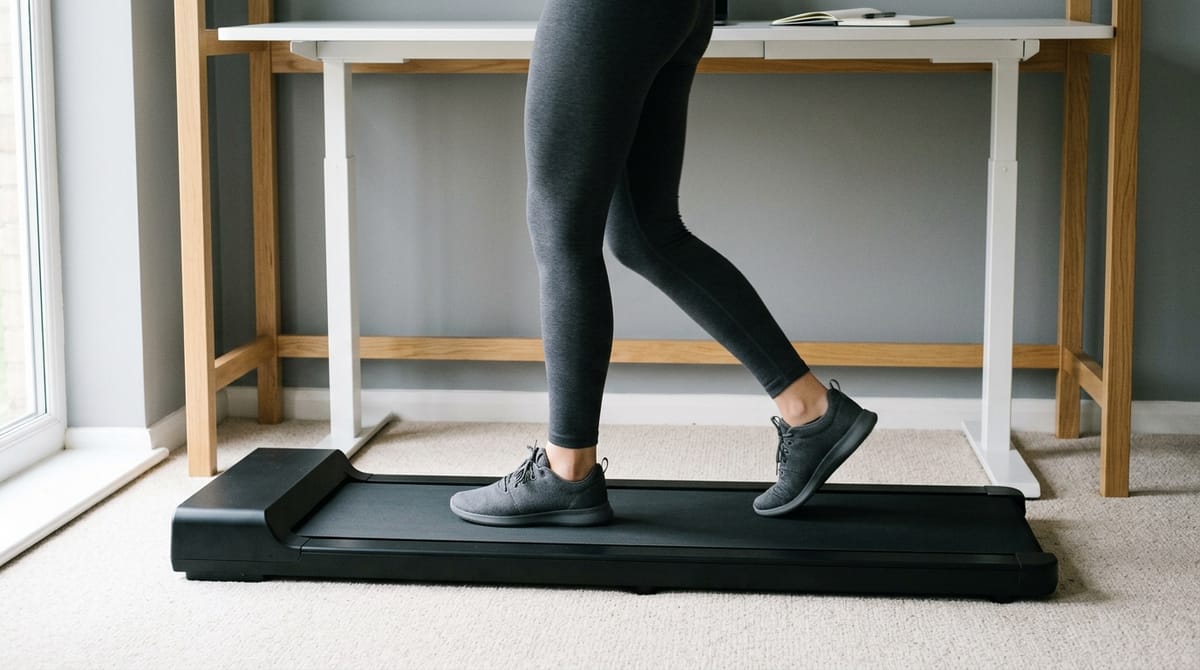
The defining features are physical. There is no handrail, or on some models a short one that folds flat. The deck is thin, typically around 10 to 14 centimetres tall, so the whole machine slides under a bed, a sofa or a wardrobe when you are not on it. It weighs enough to feel planted but little enough to drag across a room, usually somewhere between 20 and 35 kilograms. Most have no incline at all.
The speed range is the other half of the definition. A walking pad generally tops out around 6 kilometres per hour, which is a brisk walk rather than a jog. Some so-called 2-in-1 models raise a handrail and go faster, but those are treadmills that fold, not walking pads, and they carry the height and weight to match.
Everything about the format follows from one design decision: it is meant to be used and then put away, in a room that has another job.
How is a walking pad different from a treadmill?
The honest summary is that a treadmill is exercise equipment and a walking pad is movement equipment.
A treadmill is built for a training session. It runs to 16 or 18 km/h, has an incline motor, a cushioned deck designed to absorb running impact, a console, and a frame with handrails that make it stable at speed. It also has a footprint of roughly two metres by one, and in most cases it stays where you put it forever.
A walking pad is built for accumulating steps while doing something else, usually working. It cannot be run on safely, has no incline, and has far less deck cushioning because walking generates a fraction of the impact. In exchange it disappears under the furniture.
If you want the full side-by-side, including where the 2-in-1 machines sit, our under-desk treadmill vs walking pad comparison covers it properly.
Who is a walking pad actually for?
It suits three situations well and one badly.
Desk workers get the most out of it, because the machine solves a problem that has nothing to do with fitness motivation: a working day that involves sitting for eight hours. Walking at 3 to 4 km/h while answering email is slow enough that typing stays viable.
People in flats get a piece of cardio equipment where the realistic alternative is none. A rower needs two metres of floor and an exercise bike stays visible in the corner; a walking pad goes under the bed.
People rebuilding a habit after injury, illness or a long sedentary stretch benefit from the low barrier. The machine is three steps away, and a ten-minute walk requires no kit and no decision.
It suits runners badly. A walking pad will not take running, and treating it as a cheap treadmill is how people exceed what the deck and motor are built for.
How fast do they go, and can you run on one?
No, and the reason is structural rather than cautious.
Most walking pads cap out near 6 km/h. That ceiling is not arbitrary: without a handrail there is nothing to catch, the deck is short enough that a running stride would overrun it, and the cushioning is specified for walking loads rather than the repeated impact of a foot strike at speed.
For working at a desk, 3 to 4 km/h is the range most people settle at. Faster than that and typing accuracy falls apart. For a deliberate walk while watching something, 5 to 6 km/h is a genuine effort, particularly sustained.
What a walking pad cannot give you is progression through speed or gradient. If you want to make a session harder, the levers are duration and how often, not pace.
What should you check before buying one?
Four things decide whether a walking pad works in your home, and three of them have nothing to do with the machine's specification.
The weight limit, and how much headroom it leaves
The rating is a sustained-load figure, not a threshold you creep up to. It is the spec most buyers skip and the one that governs motor life. Our guide to walking pad weight limits explains what the number actually covers.
Your ceiling height, if it goes under a standing desk
You stand on top of the deck, so your height plus 10 to 14 centimetres has to clear the ceiling with room to spare. Sloping loft ceilings and light fittings usually set the real limit. See walking pads for a low ceiling.
What is under it
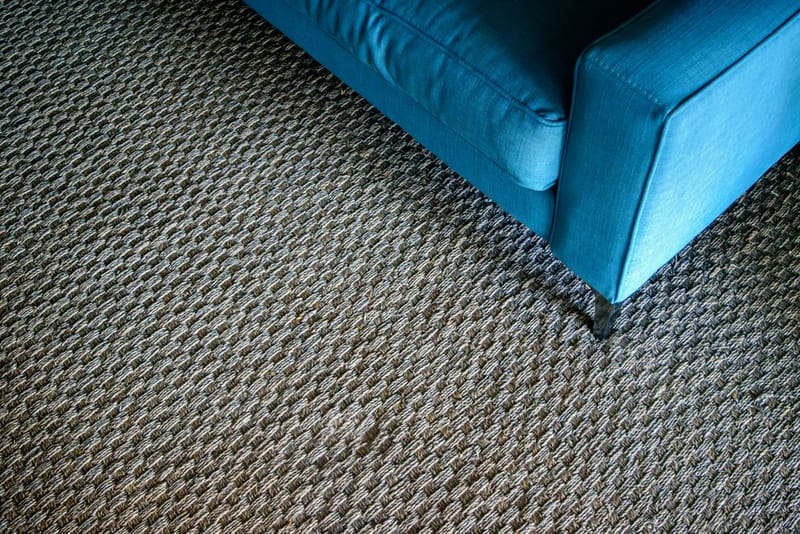
Carpet changes stability, airflow and heat, and it is the single most common reason a pad underperforms in a flat. Our guide on using a walking pad on carpet covers the mat that fixes it.
Who is underneath you
Walking is low-impact but it is still rhythmic footfall transmitted into a floor. In an upstairs flat that matters more than the motor noise does, and it is worth reading about quiet home cardio and what goes under the machine before you commit.
Do they actually improve your health?
They move the number that most sedentary people are short of, which is total daily movement rather than training intensity.
The UK Chief Medical Officers' physical activity guidelines set the adult target at 150 minutes of moderate-intensity activity a week, alongside muscle-strengthening activity on at least two days. Brisk walking is the textbook example of moderate intensity, and a walking pad makes it available in ten-minute pieces on days when a walk outside is not going to happen.
What it will not do is replace strength work, and the guidelines are explicit that both matter. A walking pad is a good answer to sitting all day and a poor answer to wanting to get stronger.
The realistic framing is that the machine removes friction rather than adding fitness. Its value is that it gets used on the days you would otherwise do nothing, which over a year is where the difference actually accumulates.
Where does a walking pad fit in a small flat?
The storage answer is what sells them, and it is worth checking against your actual furniture rather than assuming.
Under a bed is the usual home, and it works if the frame clears the deck height plus the wheels. Behind a sofa and down the side of a wardrobe both work for the thinner models. What rarely works is standing one on its end without a proper folding mechanism, because the console and belt tension are not designed for it.
The other constraint is the socket. A walking pad wants a dedicated outlet rather than an extension lead shared with a desk full of equipment, and where you can reach one often decides which wall the machine lives against.
Once you know where it goes, the rest of the small-space problem is the same as any home gym: our guide to fitting a home gym in a small corner covers laying out the space around it.
Walking Pad Weight Limits Explained
Can You Use a Walking Pad on Carpet?
Best Walking Pad for a Low Ceiling